Labor has a choice: save Scott Reef or back Woodside’s drilling and destruction of this precious marine eco-system.

Every signature brings our reef to life.

What’s the deal with Scott Reef and why does it need to be saved?

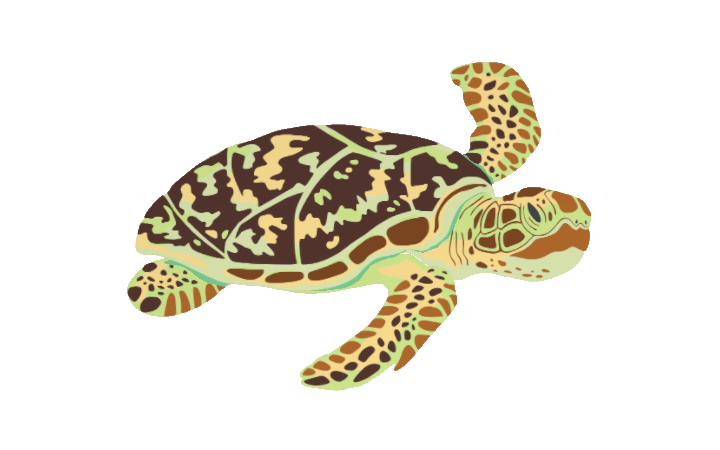
Scott Reef is a unique, isolated coral reef system located about 300km off WA’s Kimberley Coast. It acts as a critical sanctuary, providing a home for thousands of marine species including the endangered pygmy blue whale and green turtle. Its many habitat types, such as shallow lagoons, provide vital breeding grounds for a wide range of migratory species.

View full map

What is the Browse Basin?

Browse is a 140,000km2 offshore gas basin in the Indian Ocean, about 425km north of Broome, Western Australia. This natural store of underground gas is, according to Big Gas corporation Woodside, ‘Australia’s largest undeveloped gas resource’.

But there’s a reason Browse hasn’t yet been developed.

Woodside has tried and failed to drill into the Browse basin numerous times. In 2013, highly controversial plans to pipe Browse gas to a proposed onshore processing hub in the Kimberley faced widespread opposition from local communities, tourism operators, First Nations custodians and environmentalists. Woodside withdrew its proposal. In 2016, Woodside again abandoned plans to process Browse gas via a proposed floating facility due to the exorbitant costs of the project.

The scale of a project needed to extract, transport and process this gas is immense. The risks of such a large project – financial, environmental and cultural – are simply not worth it.

Illustrated map of north-west Australia showing Scott Reef and Woodside’s proposed drilling sites, Sandy Islet turtle nesting ground, green sea turtle and pygmy blue whale migration paths, the North West Shelf gas field and gas plant on the Burrup Peninsula, Murujuga rock art, Broome (Rubibi), Port Hedland, Karratha, the Bungle Bungles and Darwin.

What is Woodside’s Browse gas drilling?

Woodside’s latest plans to drill into the Browse Basin would occur right next to Scott Reef. It would require the build of an enormous 1,000km pipeline along the sea floor to transport the extracted gas to the North West Shelf gas processing facility. The gas would then be processed on WA’s Burrup Peninsula in the Pilbara, known by its Aboriginal name Murujuga, which is home to the world’s largest collection of ancient rock art. The majority of this gas would be exported for overseas profit.

If approved, Woodside’s drilling at Scott Reef would unleash around 1.6 billion tonnes of climate pollution (that’s four times Australia’s total annual emissions!) and lock Australia into decades more fossil fuel dependence. Australians don’t need this gas. We already have enough to meet domestic demand. Drilling under Scott Reef isn’t about energy security — it’s about Big Gas greed.

Woodside’s Browse gas export proposal at Scott Reef would be disastrous for nature and climate, turning one of Australia’s most spectacular marine ecosystems into an industrial gas hub while putting endangered whales, turtles and hundreds of other marine species at risk.

  • Gas extraction near the reef could cause a critical turtle nesting site to sink beneath the waves.
  • Industrial noise from Woodside’s drilling could deafen and disorient endangered pygmy blue whales, who rely on their hearing to communicate. The noise could even be loud enough to disrupt the critical bond between mothers and their calves.
  • Woodside’s Browse project could cause the worst oil spill in Australia’s history.

Labor has a choice

Woodside’s Browse gas project has not yet been approved. The WA’s long-awaited environmental impact report will determine whether the project poses an unreasonable risk on the local environment. The WA Government will then decide to approve or reject the project. If approved, it will be up to the federal government to step in to assess the project under federal nature laws, and they must make the right decision.

Labor has a choice: save Scott Reef or back Woodside’s drilling and risk destruction of this precious marine eco-system. They cannot do both. This is bigger than one project. It’s a test of whether our government will keep giving the green light to fossil fuel giants, or finally stand up for our reefs, our climate and our future.

Labor holds the lever. The Prime Minister and Environment Minister can save Scott Reef from Woodside’s drilling for generations to come. The choice is theirs. And more Aussies are standing up to tell them to make the right one: Save Scott Reef!

Illustration of an offshore gas rig drilling into the seabed beside a coral reef. A gas flare burns and smoke pours from its chimneys; below the water a turtle looks on as arrows show the ground sinking, while fish, corals and a whale crowd around the rig’s legs.

Sign the petition

A reef worth protecting

Scott Reef is home to an array of unique creatures and corals, some found nowhere else in the world. These are just a few of the beautiful species that call this pristine ecosystem home and will be at risk if Woodside is allowed to wreak havoc on the reef.

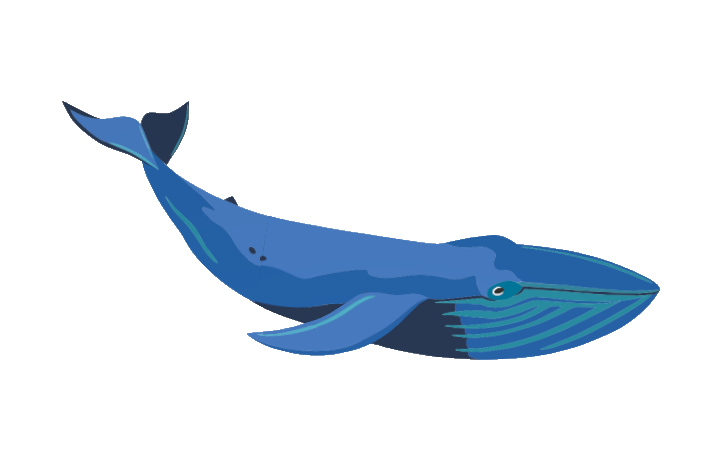
Pygmy blue whale

This gentle giant is slightly smaller than its relative the Antarctic blue whale, growing to around 24 metres and weighing up to 90 tonnes. Oh, and they’re entirely powered by krill, with the occasional sprinkle of plankton on the side.

Pygmy blue whale

Find a local Save Scott Reef event near you

Supporters are meeting in towns and cities across the country to plan the next push.

70,000+ Australians have already spoken up

Submissions summary