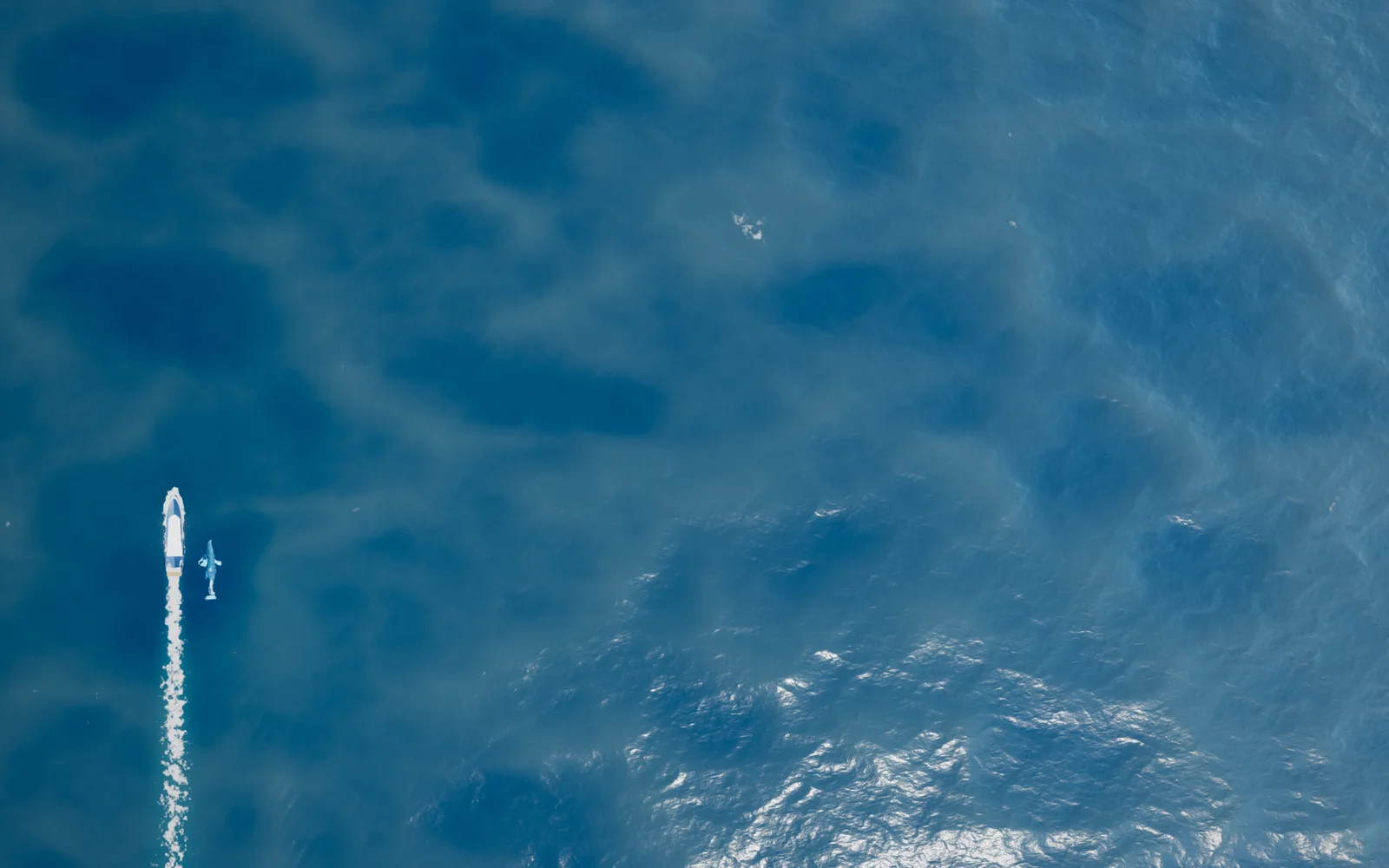
Scott Reef, Western Australia
We're closer to winning than you think
Piper Rollins, ACF’s Climate & Energy Exports campaigner, wants you to know the tide is turning against big gas.
Scroll to dive
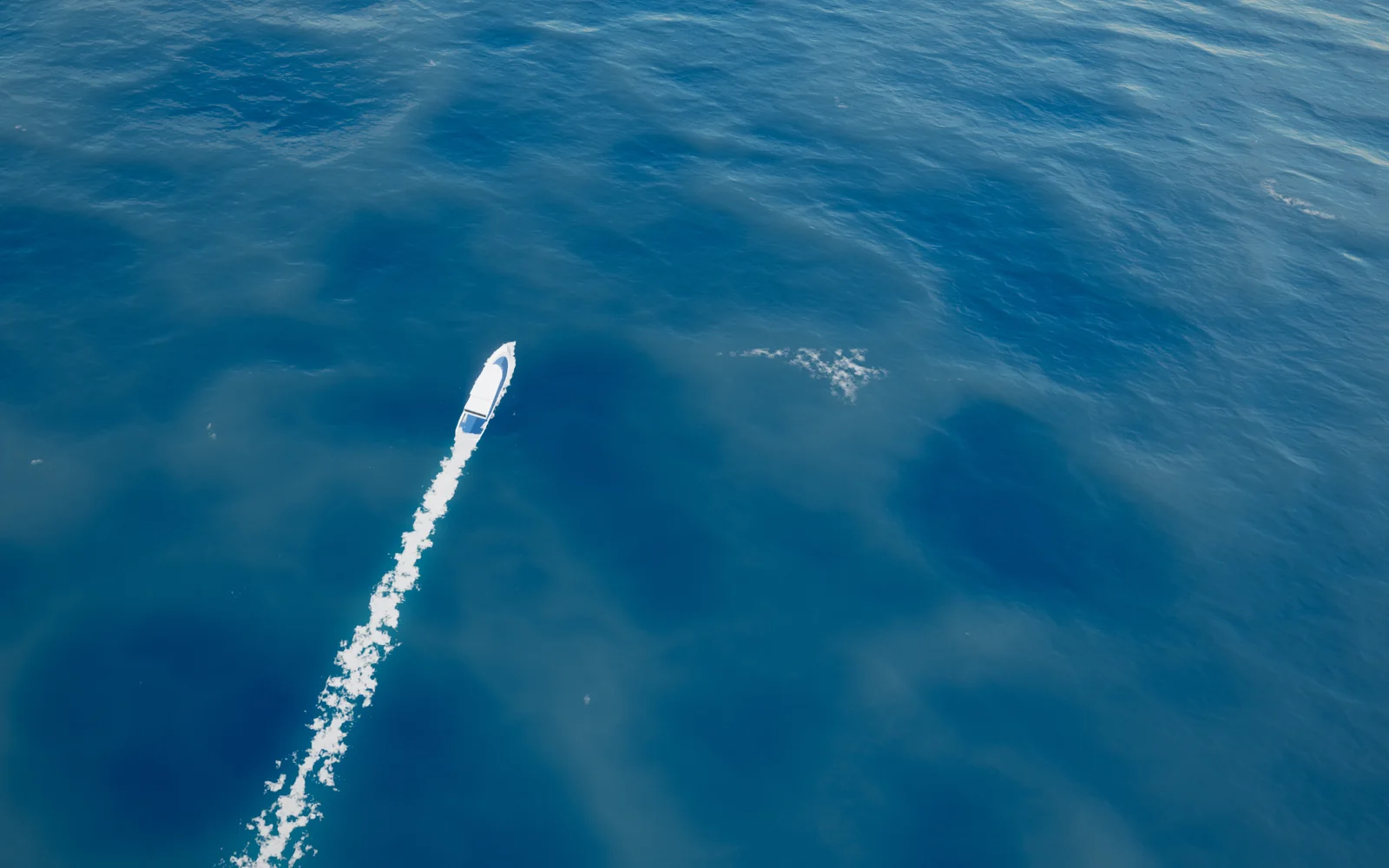
in the middle of bloody nowhere
Scott Reef is in the middle of bloody nowhere! I had the great privilege of going there two years ago. You're on a boat for two days with nothingness, literally nothing.”
Piper Rollins, ACF campaigner 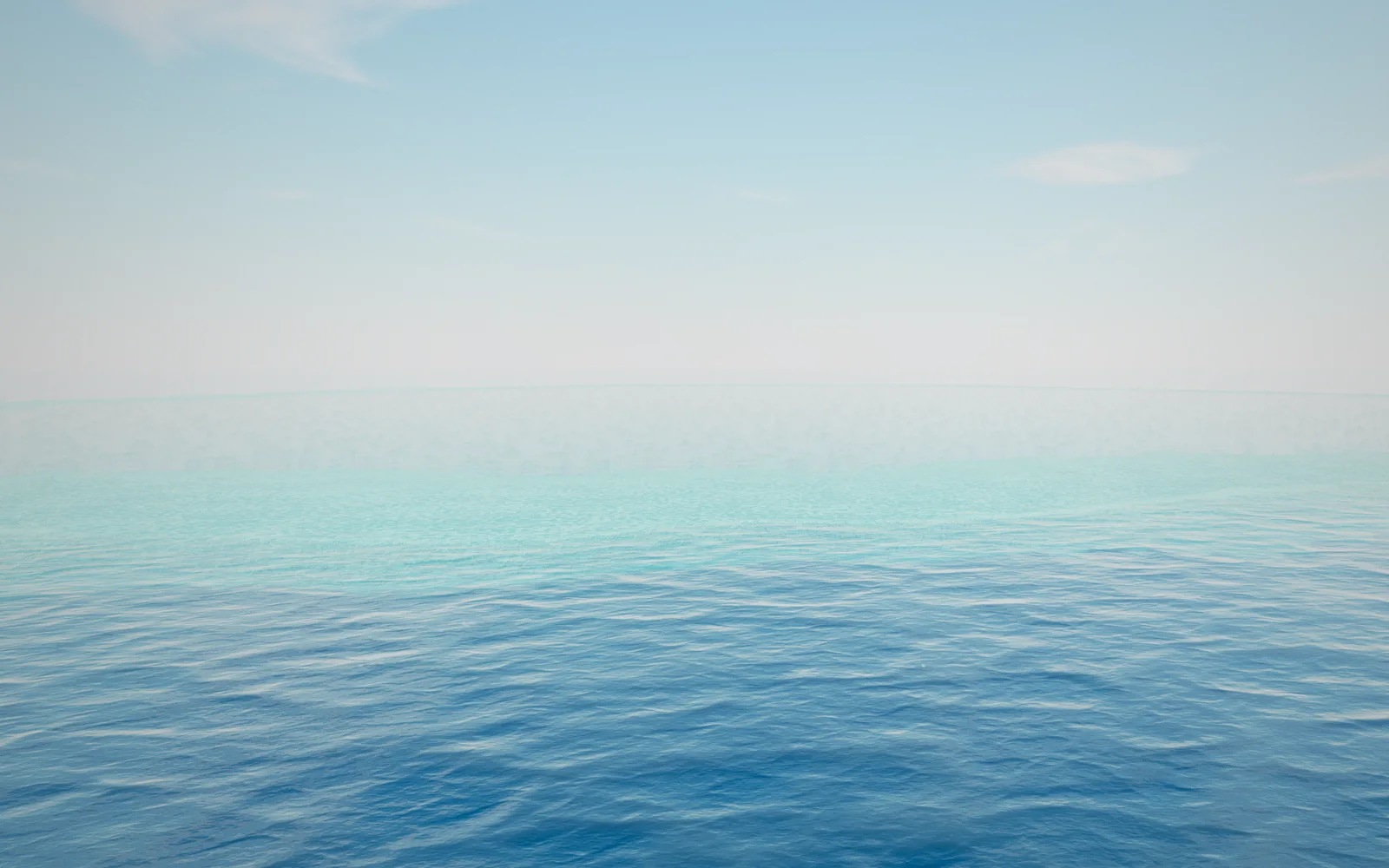
very literally an oasis
Then finally, on the horizon, this Gatorade blue colour starts appearing and you realise you're approaching what is very literally an oasis.”
Piper Rollins, ACF campaigner 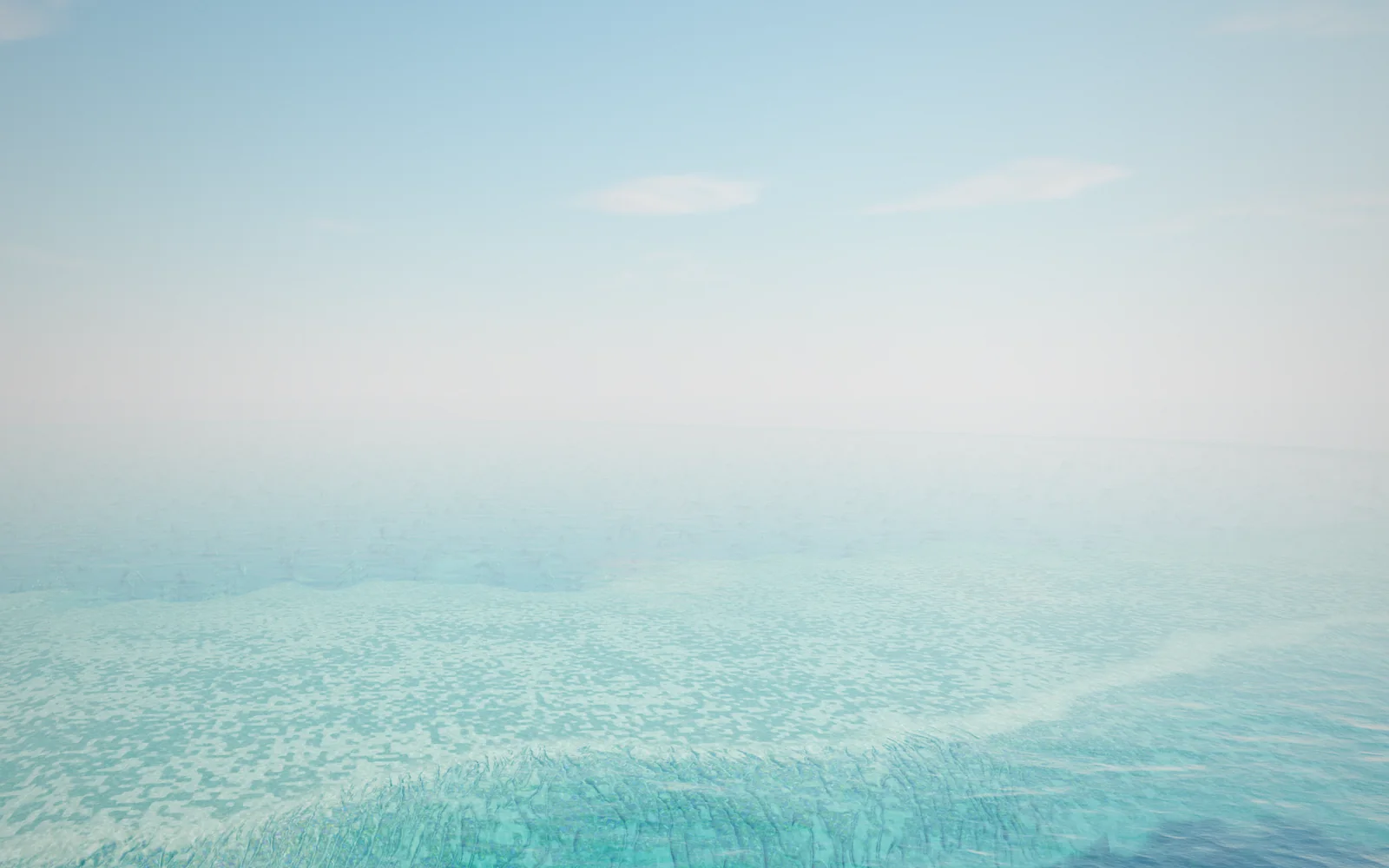
this emblem of resilience
It's 15 million years old. To put that in perspective, Ningaloo Reef is about 7,000 years old.
It's survived ice ages and all manner of change. It's this emblem of resilience.”
Piper Rollins, ACF campaigner 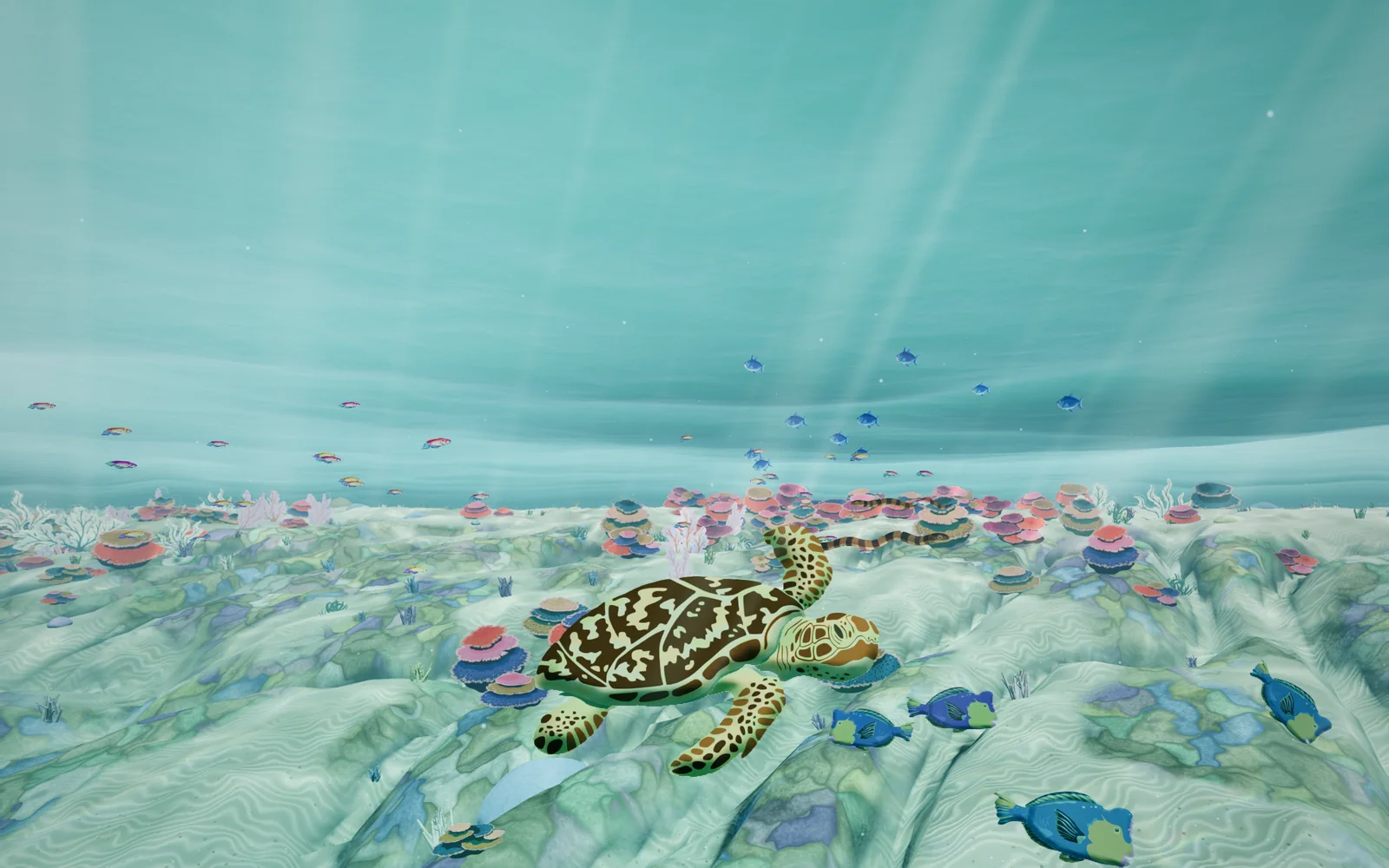
nowhere else for them to go
There's this incredible concentration of fish, whales, turtles and endangered creatures because there's nowhere else for them to go.”
Piper Rollins, ACF campaigner 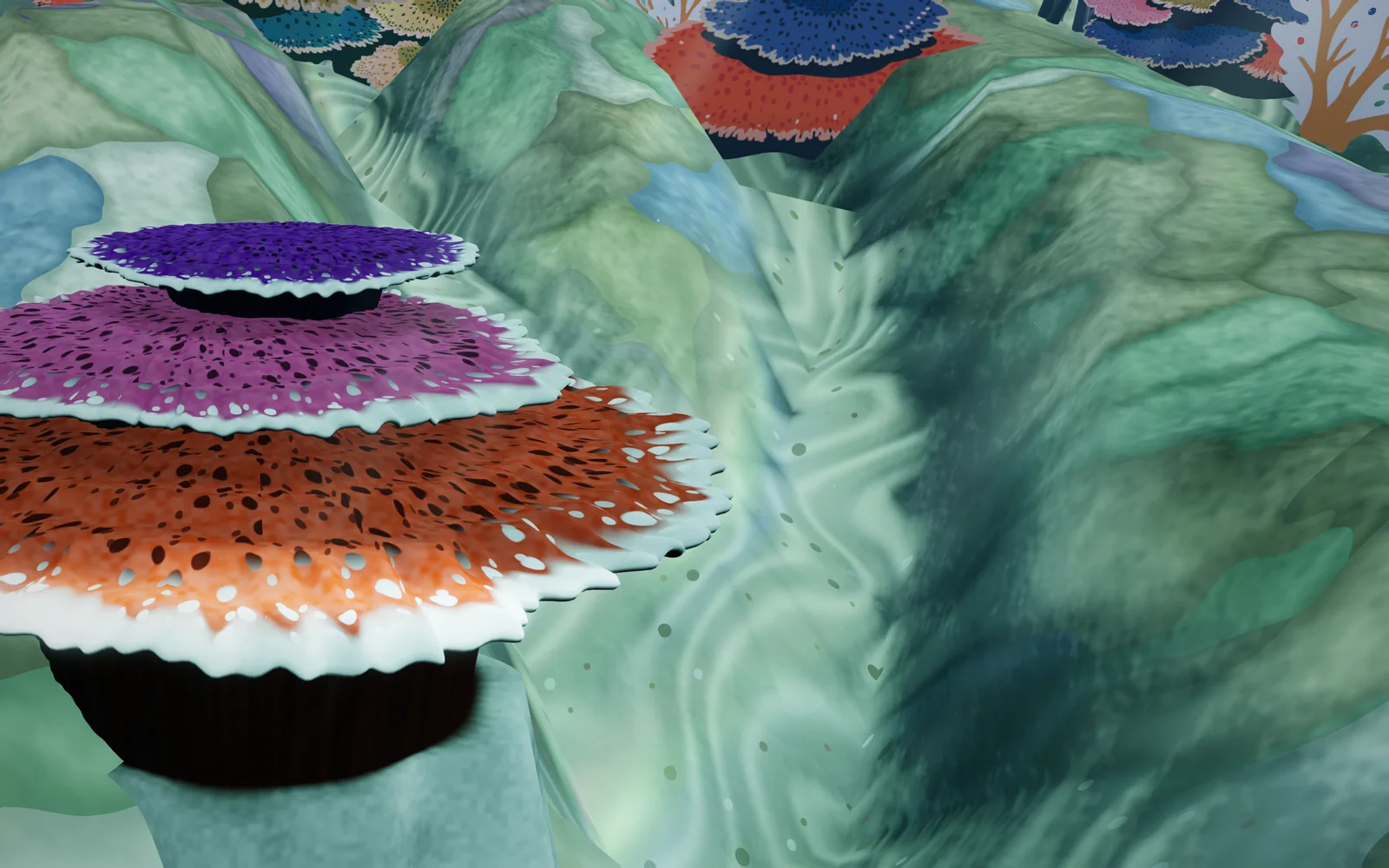
a millimetre or two a year
Some of those corals grow just a millimetre or two a year. These massive coral atolls have taken hundreds, thousands, millions of years to develop.”
Piper Rollins, ACF campaigner 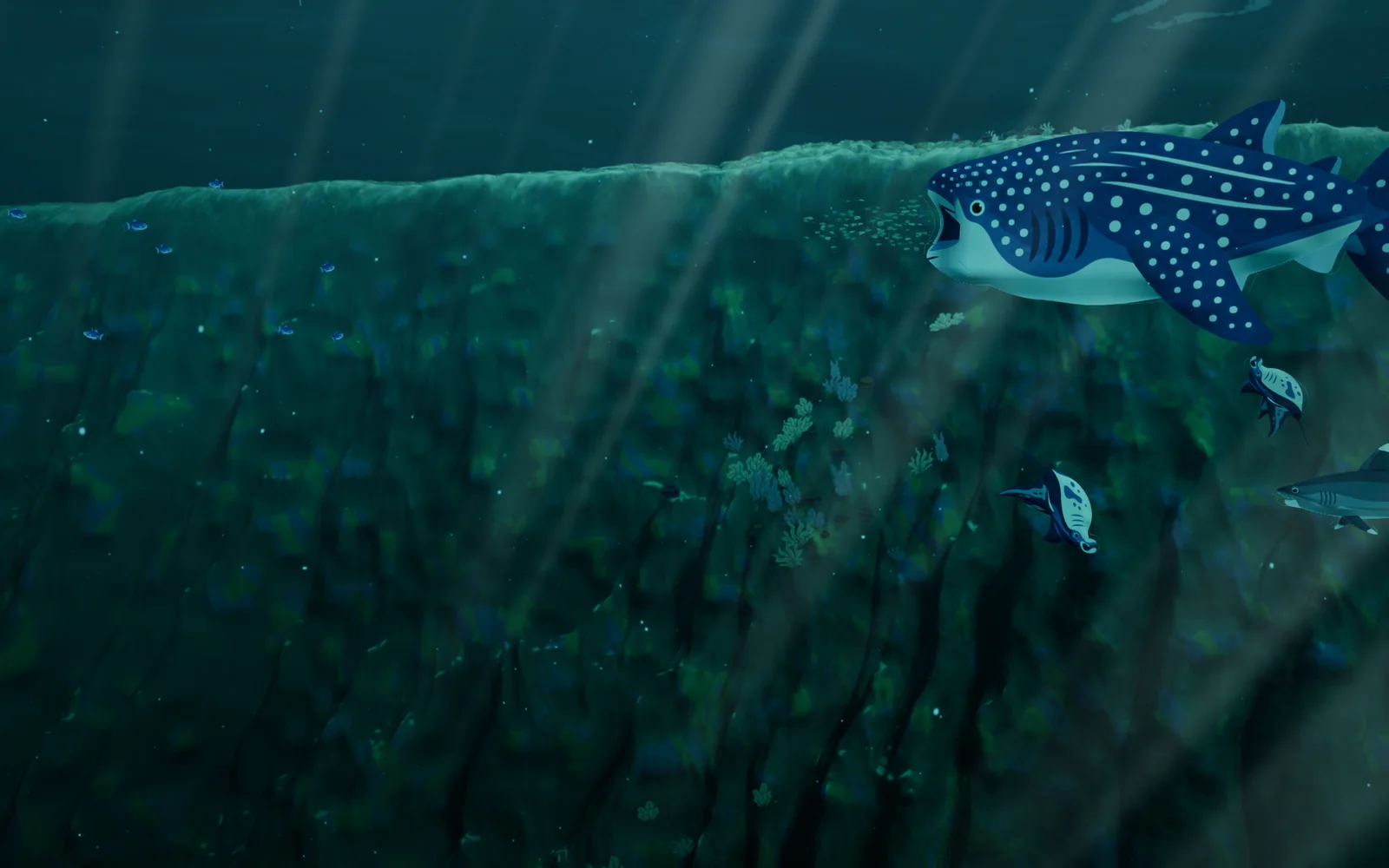
a skyscraper of the sea
Think of Scott Reef as a skyscraper of the sea. Out of this deep blue abyss rises this ancient, resilient coral oasis teeming with life.”
Piper Rollins, ACF campaigner 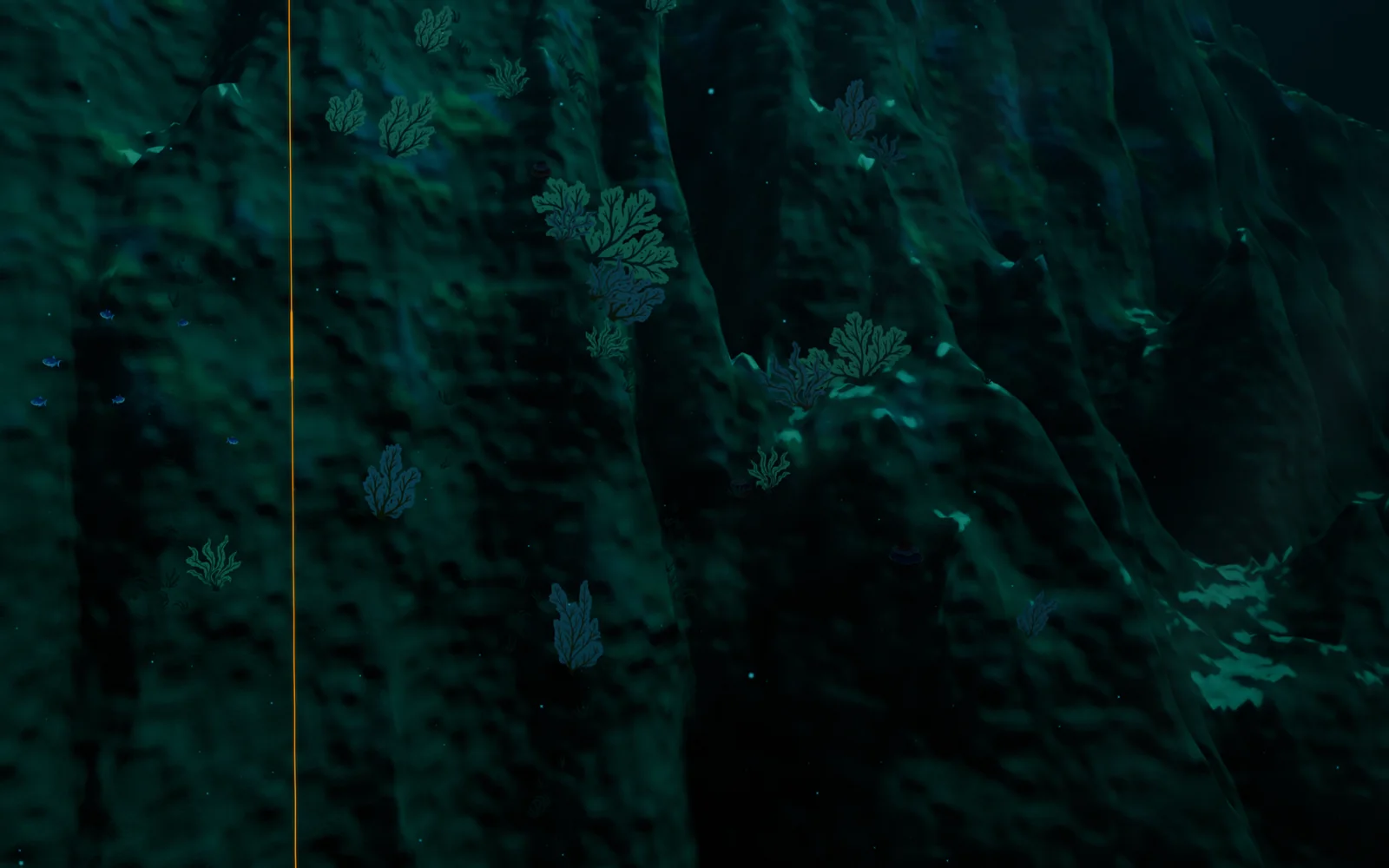
now Woodside wants to drill
“Woodside wants to come in and stuff up 15 million years of biodiversity and incredible natural value for a couple of decades of big gas exports and corporate greed.”
Piper Rollins, ACF campaigner 
We've already stopped them twice
“This is Woodside and its partners' third attempt to drill Browse, the gas basin beneath Scott Reef.
In 2013, Browse was stopped following an enormous campaign of people power and community pressure at James Price Point.”
Piper Rollins, ACF campaigner 
they never have to face
And I think the benefit that a lot of these gas executives sitting in their air-conditioned boardrooms in Perth have is that they never have to face the pristine wild places and the communities they're destroying.”
Piper Rollins, ACF campaigner 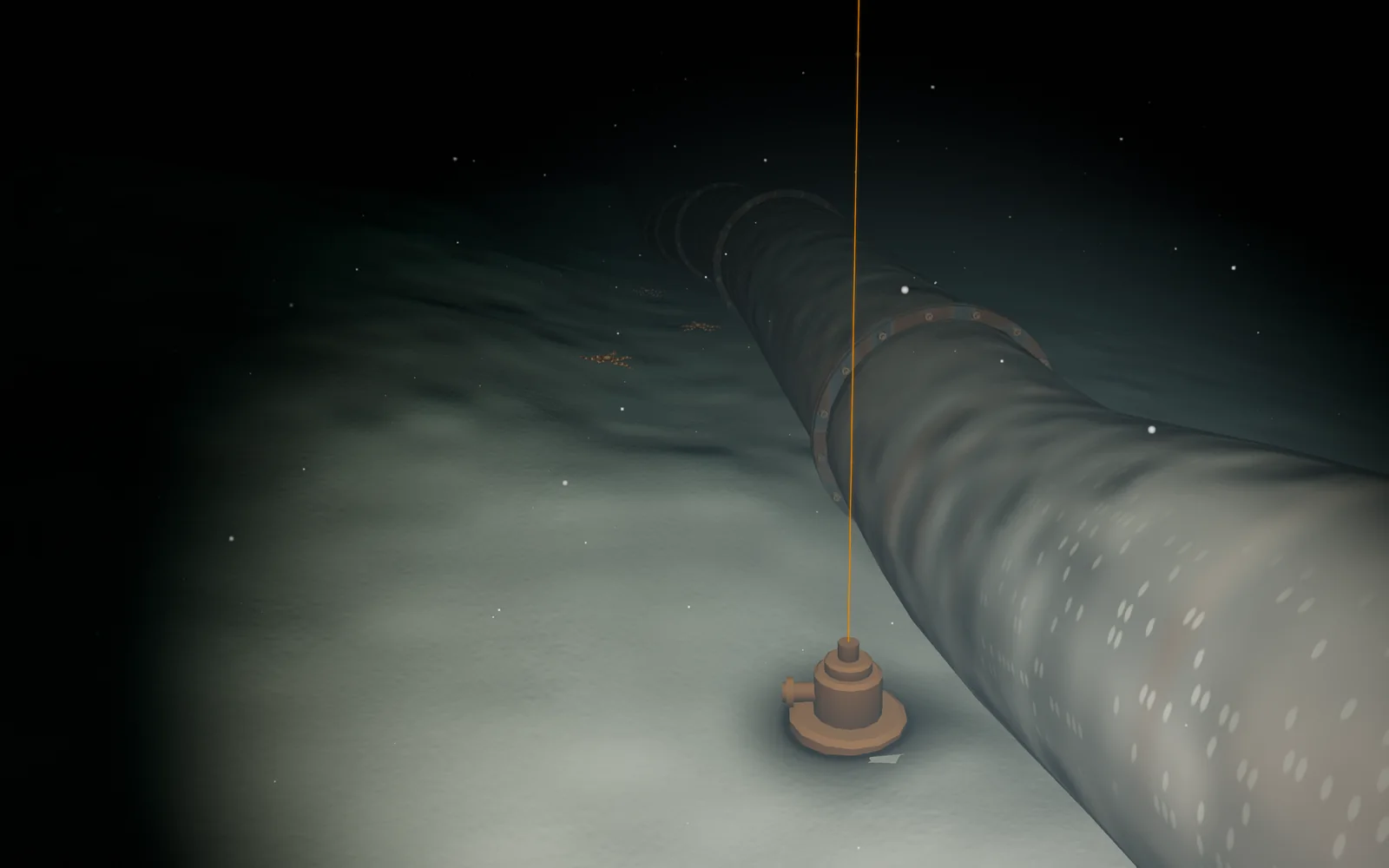
doubling down on fossil fuel extraction
Woodside has backed itself into a corner. They're doubling down on fossil fuel extraction despite the overwhelming scientific evidence of the harm it causes to climate and nature.”
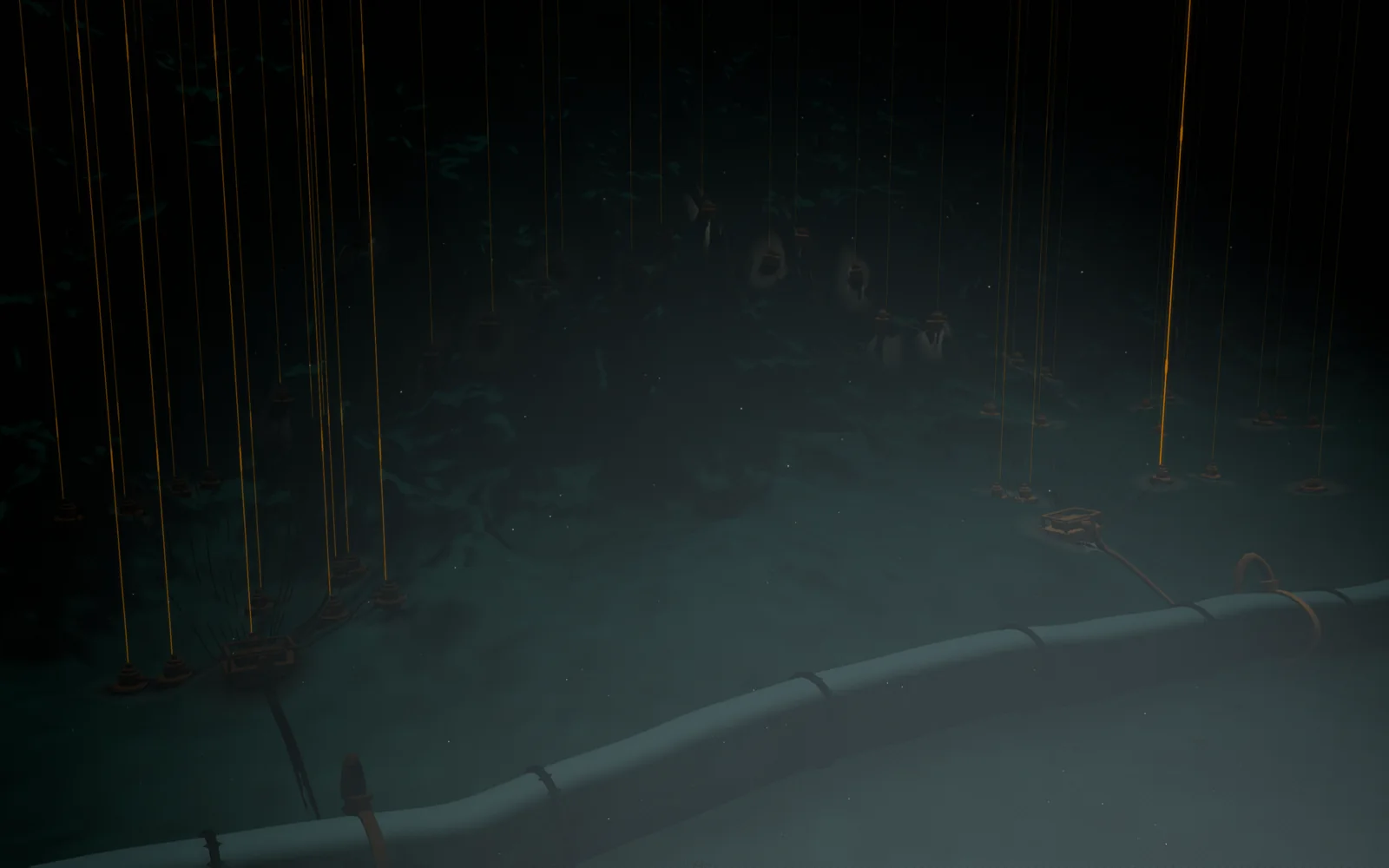
Piper Rollins, ACF campaigner The wells and pipeline shown are indicative.
We don't have many places like Scott Reef left on Earth.
“We're supposed to be custodians of these wild places. They're not a given, and we have an obligation to look after them.”
Piper Rollins, ACF campaigner 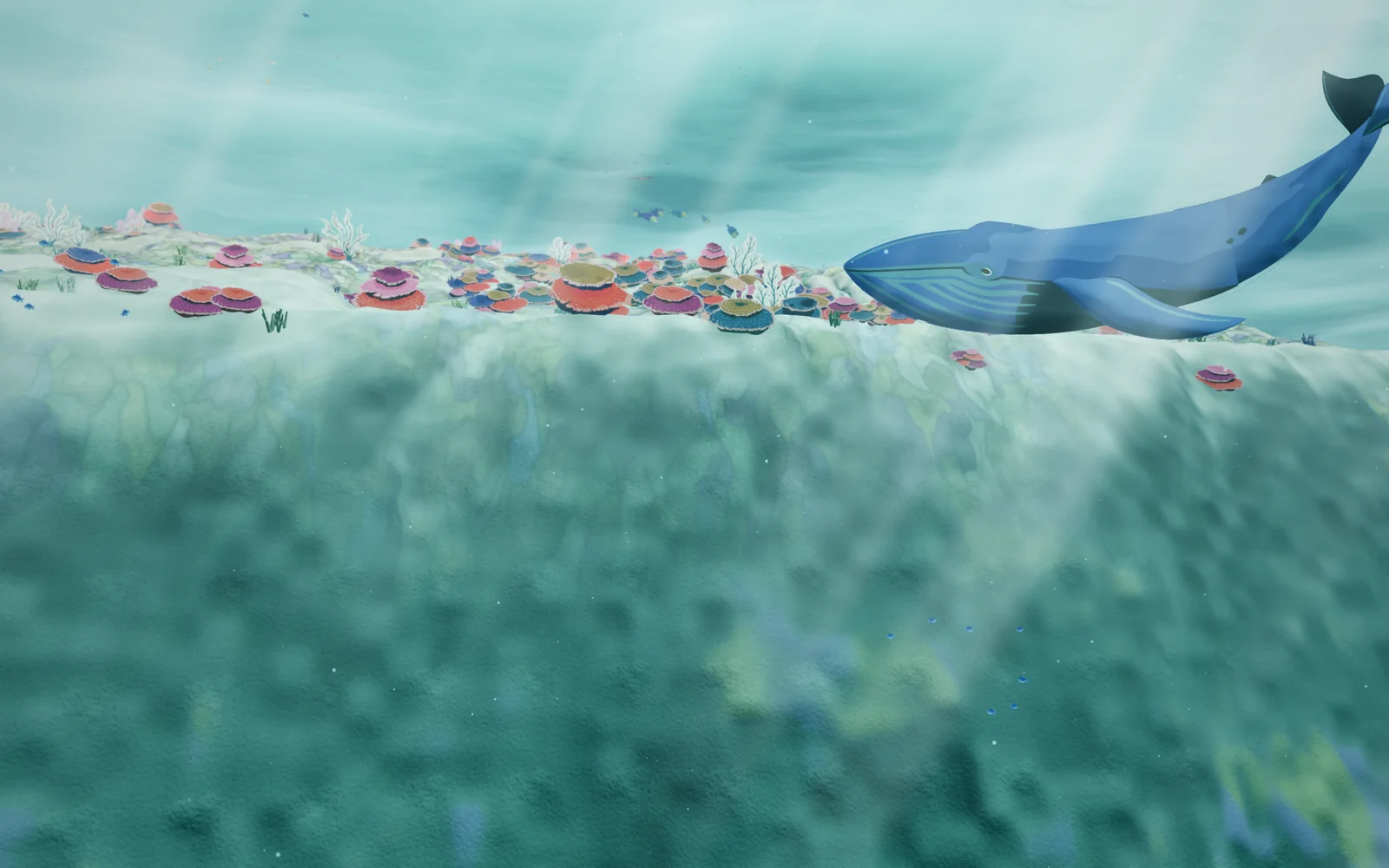
We can do this, people.
“The social change happens first, and eventually the government realises they need to come to the party.”
Piper Rollins, speaking to Habitat Over 25,000 Australians are calling on the government to save Scott Reef.
Piper Rollins, ACF’s Climate & Energy Exports campaigner, on the extraordinary beauty of Scott Reef and why the tide is turning against big gas.
Piper, you've actually been to Scott Reef. Take us there. What’s it like?
Oh man. One of the most extraordinary things about Scott Reef is its resilience. It's 15 million years old. To put that in perspective, Ningaloo Reef is about 7,000 years old.
Scott Reef is one of the last remaining shards of an ancient western barrier reef that once swept around the northern Kimberley. It's survived ice ages and all manner of change. It's this emblem of resilience.
And it's in the middle of bloody nowhere! I had the great privilege of going there two years ago. You're on a boat for two days with nothingness, literally nothing. Then finally, on the horizon, this Gatorade blue colour starts appearing and you realise you're approaching what is very literally an oasis. There's this incredible concentration of fish, whales, turtles and endangered creatures because there's nowhere else for them to go.
Think of Scott Reef as a skyscraper of the sea. Out of this deep blue abyss rises this ancient, resilient coral oasis teeming with life.
Not to be dramatic, but we're very lucky to have it.
And now Woodside wants to drill for gas there?
Woodside wants to come in and stuff up 15 million years of biodiversity and incredible natural value for a couple of decades of big gas exports and corporate greed.
But Scott Reef has been here before. This is Woodside and its partners' third attempt to drill Browse, the gas basin beneath Scott Reef.
What happened to the first two attempts?
They tried to develop Browse through a massive industrial hub at James Price Point in the pristine Kimberley wilderness. In 2013, that was stopped following an enormous campaign of people power and community pressure.
Then they proposed this ludicrous floating LNG concept, essentially a floating gas export factory. That couldn't get off the ground either.
So here we are, on the third iteration of a project that's already been stopped twice.
Why is Woodside so determined to keep pushing ahead despite their failures?
Corporate profit. That's what drives these companies.
Woodside has backed itself into a corner. They're doubling down on fossil fuel extraction despite the overwhelming scientific evidence of the harm it causes to climate and nature.
And whether they like it or not, the world is moving away from fossil fuels. It's not like Woodside can just dig its heels in hard enough to change the global energy transition that's already underway.
Australia has a real opportunity, I suppose, to get on board with this renewable energy transition that is already happening. Whether we choose to benefit from that or whether we choose to be the laggards and be left out.
Do you think Woodside knows the world is changing around it?
Oh, absolutely.
I was watching a clip of Woodside CEO Liz Westcott speaking at an industry luncheon. You know the writing is on the wall when they're asked how continuing to dig up and burn fossil fuels is compatible with a safe climate, and the best response they can come up with is something like, “Oh, it's complex. It's a complicated issue.”
The lid is off. The can of worms has been opened. People have woken up to the climate and nature destruction, but also the absolute rort that Australians have been sold.
Has that changed the way ordinary Australians see the gas industry?
Absolutely. You can go to the pub now and have a conversation with someone who doesn't share your politics, but you can agree that Australians shouldn't be giving away our resources for very little return, particularly at the cost of climate and nature.
People are realising how much we pay the price, through higher energy bills, disasters and destruction of the nature we love.
Woodside has historically enjoyed enormous influence, particularly in WA. What do we have that they don't?
The truth!
No matter how epic their marketing campaigns are, no matter how many Dockers fans they gaslight into wearing their logo, they can't escape the fundamental truth that what they do is simply incompatible with a safe climate.
And the more harm that is borne by nature and climate, the more people's bills cost, the more people's insurance premiums go up, the more people's homes are devastated by bushfires, floods, it goes on and on and on.
That's why they spend so much money sponsoring sports teams, running races and university programs.
For years these companies tried to greenwash themselves as environmentally conscious. Now that people aren't buying it, we're seeing this weird return to executives being brazen about what they're doing.
It's jarring, but I think it's almost a good sign. Sometimes it gets worse before it gets better.
There’s still a political decision to be made at the heart of this. Can ordinary Australians really make a difference?
Oh man, so much.
The thing is, communities often catch up to reality before politicians do. The social change happens first, and eventually the government realises they need to come to the party.
There's enormous power in voting, but also in making your voice heard. Governments have an opportunity to listen to what communities are already calling for. The change that we've seen, I think, over the last couple of decades has really been about like the social change more so than the electoral change.
Campaigning can be a tough slog. What keeps you going?
Oh, it's hard yakka. The wins feel few, the journeys feel long, and sometimes you don't see the fruits of your labour for years, if at all.
It would be easier to become a cheesemaker. And maybe one day I will!
But not yet because, as a Yank, I feel semi-qualified to say this: Australians are actually not that far from the society we want to see.
We're a relatively small country with enormous impact on the world through our fossil fuel exports.
So, we don't actually have to change that many hearts and minds in Australia to have an astronomical global impact.
And Australians have this beautiful connection to nature, regardless of politics. There's something about wilderness and the natural world here that pretty much everybody values, connects to.
We have this perfect recipe for global change: enormous influence, a strong connection to nature and a democratic society where ordinary people can make change.
Australians are actually not that far from the society we want to see.
That’s a good reason to be hopeful.
I genuinely think our proximity to change is closer than we realise.
The gas and coal industries spend squillions trying to make it feel like we're losing. But the reality is that we aren't.
And as someone who's actually a somewhat weird pessimist, I really believe that.
We can do this, people. It's within reach.
If you could take Woodside's CEO out to Scott Reef for an afternoon, what would you want to show her?
Oh man. I would want to show her just how fickle and short-sighted humanity can be when we reckon a bit of gas and corporate profit for a few big shareholders is worth potentially destroying something so ancient.
We're just these tiny, tiny little blips in the scale of the natural world. Some of those corals grow just a millimetre or two a year. These massive coral atolls have taken hundreds, thousands, millions of years to develop.
We don't have many places like Scott Reef left on Earth.
And I think the benefit that a lot of these gas executives sitting in their air-conditioned boardrooms in Perth have is that they never have to face the pristine wild places and the communities they're destroying.
I actually feel quite bad for them. They're missing out on this amazing part of our limited time here, which is experiencing nature and connecting with these places.
We have a lot to learn from First Nations people in that respect. We're supposed to be custodians of these wild places. They're not a given, and we have an obligation to look after them.
We're just tiny specks in the enormous scale of natural history. And I think people in positions of power need to take that responsibility really seriously.
We don't have many places like Scott Reef left on Earth.
Interviewed by Joe Walton, ACF Marketing and Communications Lead
Design & Development by Declan O’Hara, ACF Web Lead
Sign the petition